
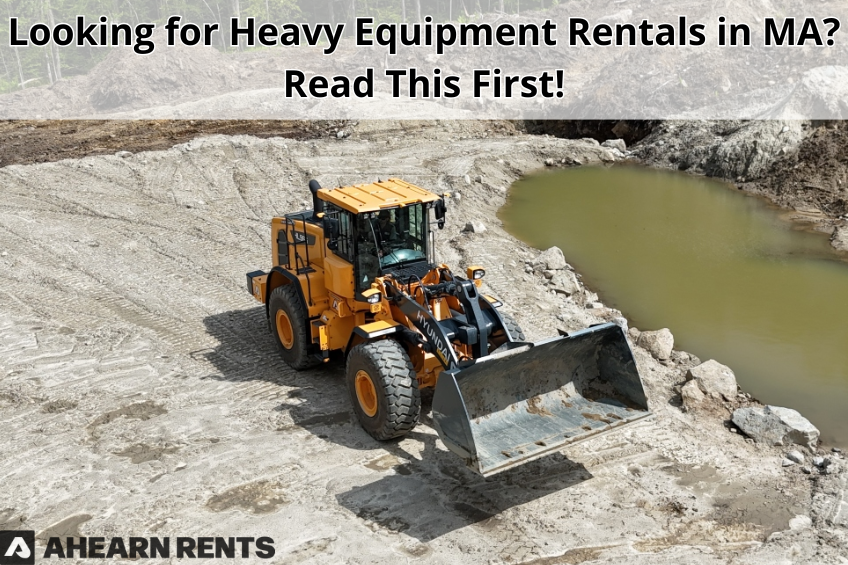
Looking for Heavy Equipment Rentals in MA? Read This First!
Posted on: May 28, 2026
Starting a construction project in Massachusetts presents unique challenges, particularly when navigating the state’s diverse terrain and unpredictable weather. Whether you’re a construction company, a home builder, or a municipal government, the right heavy equipment is essential for meeting tight project deadlines.
In Massachusetts, where the climate can shift rapidly, the right preparation and equipment are key to keeping your operations smooth and uninterrupted. From excavators that can dig through frost-hardened ground to track loaders that can navigate muddy summer hills, choosing the right machine rental is a major investment.
This guide will take you through the top points to consider when renting heavy machinery, ensuring your project remains productive amid New England’s challenging weather.
What We’ll Cover:
- 5 key factors to meet the demands of construction in MA
- 4 strategies for managing seasonal jobsite conditions
- 5 tips to understand rental agreements and insurance
- Key takeaways
- Trust Ahearn Rents for your equipment rentals
5 Key Factors to Meet the Demands of Construction in MA
In Massachusetts, the construction landscape is as varied as its seasons, each bringing its own set of challenges and demands. As you gear up for your next project, understanding these environmental and operational dynamics is crucial to selecting the right heavy-lifting equipment rental. This section will guide you through the critical aspects of MA’s construction landscape and how they influence your rental choices.
1) Navigating Seasonal Challenges
The Bay State’s weather can be unpredictable in every season, and that can have a real impact on construction timelines, jobsite safety, and equipment performance. Winter brings snow, ice, freezing temperatures, and frost-hardened ground. Spring can mean soft soil, heavy rain, and muddy access points. Summer adds heat, dust, long workdays, and the need for machines with reliable air conditioning or open-cab flexibility. Fall can bring wet leaves, shorter daylight hours, and slick terrain.
That’s why seasonal planning matters before you rent. The right equipment should match the conditions you’re likely to face, whether you need traction for muddy ground, enclosed comfort for colder days, working A/C for summer heat, or lighting support as daylight fades earlier.
2) Terrain Considerations
From the rocky hills of the Berkshires to coastal plains, tight residential lots, and muddy construction entrances, the terrain in MA can vary dramatically within just a few miles. Each type of jobsite brings its own challenges, especially when the weather changes and the ground beneath your equipment.
A dry, open site in July may call for a different machine than a rain-soaked site in April or a frozen jobsite in January. Track machines can help with traction and stability on soft, uneven, or muddy ground, while wheeled machines may be a better fit for firm surfaces and jobs that require faster movement across a site. Understanding your site conditions before you rent helps you choose equipment that supports productivity instead of slowing your crew down.
3) Identifying Project-Specific Needs
Every construction project is unique, with equipment needs shaped by the work, site access, season, terrain, and schedule. You may need an excavator for site prep, a loader for material handling, a tractor for property maintenance, or a track machine for rougher conditions. In warmer months, you may also want to ask about equipment with working A/C, good ventilation, open-door operation, and operator comfort features that make long summer workdays easier.
The first step is identifying what your project actually requires. Are you digging, lifting, grading, clearing, hauling, or maintaining access roads? Will the machine need to work in mud, heat, dust, snow, or tight spaces? Matching the machine to those needs helps you avoid over-renting, under-renting, or choosing equipment that looks right on paper but doesn’t fit the jobsite.
4) Partnering with the Right Rental Provider
You can’t underestimate the importance of choosing a reliable, knowledgeable rental provider. The right company should help you find equipment that matches your project, site conditions, timeline, and budget. That means more than having machines available. It means providing clear rental terms, well-maintained equipment, practical recommendations, and support if something changes once the job is underway.
Before you reserve, ask a few specific questions. How often is the equipment serviced? What happens if the machine goes down? Are delivery and pickup windows clearly defined? Can the rental be extended if the project runs longer than expected? Are attachments, insurance requirements, fuel policies, and cleaning fees explained up front? These details can have a real impact on your schedule and final cost, especially on jobs where downtime creates a chain reaction for the rest of the crew.
5) Seasonal Conditions and Equipment Efficiency
Not all heavy equipment rentals perform the same way across different seasons. In Massachusetts, your equipment may need to handle freezing temperatures in winter, soft, muddy ground in spring, high heat in summer, and wet, slick conditions in fall.
That’s why it’s worth asking how different machines perform under the conditions you expect. In colder months, features like cold-start systems, block heaters, heated cabs, and winter-ready fluids can help reduce downtime. In warmer months, working air conditioning, clean filters, proper ventilation, and well-maintained cooling systems become just as important. For dusty or dry jobsites, you’ll also want equipment with recent inspections to keep it running efficiently.
Choosing the right heavy equipment rental in MA isn’t just about size or horsepower. It’s about matching your project needs with the right machinery, seasonal features, and rental partner.
Need equipment fast?
VIEW RENTAL INVENTORY4 Strategies for Managing Seasonal Jobsite Conditions
Seasonal jobsite management is crucial to keeping your construction site accessible, safe, and productive year-round. In winter, that may mean planning for snow and ice removal. In spring, it may mean managing mud, drainage, and soft ground. In summer, it means protecting crews and equipment from heat, dust, and long hours in the sun. In the fall, it can mean preparing for rain, slick surfaces, and shorter daylight hours.
The right rental plan helps you stay ahead of these conditions, rather than reacting to them after they slow down the job.
1) Keeping Equipment and Crew Safe in Seasonal Conditions
Protecting your equipment and crew starts with planning for the conditions they’ll actually be working in. During cold weather, this may include winterizing machinery, using block heaters, checking antifreeze levels, and ensuring hydraulic fluids are compatible with low temperatures. However, during warmer weather, it means checking cooling systems, confirming A/C is working properly, keeping filters clean, and giving operators a comfortable cab or open-door flexibility where appropriate.
Crew safety carries equal weight. Winter projects may require insulated gloves, waterproof boots, and warm break areas. Summer projects call for hydration, sun protection, heat illness awareness, and shaded or cooled break spaces. In every season, daily checks and clear communication help reduce preventable issues.
2) Making the Most of Heavy Equipment Rentals for Seasonal Projects
Renting the right equipment is crucial for construction projects in Massachusetts because conditions can change quickly. Your rental provider should help you choose equipment that fits the season, the site, and the work. That might mean track machines for muddy spring terrain, enclosed heated cabs for winter conditions, or machines with strong cooling systems and working A/C for summer jobs.
A good rental partner can also help you plan around rental timelines, delivery windows, attachments, and backup options. That support can make a major difference when weather changes, site conditions shift, or your project schedule needs to adjust.
3) Selecting the Right Equipment for Seasonal Projects
For muddy or uneven terrain, track machines can provide added traction and stability. For summer projects, ask whether the equipment has working A/C, clean cab filters, and proper ventilation before delivery. For winter projects, enclosed cabs, heaters, lighting, and cold-weather readiness can help keep work moving safely.
The goal is to choose equipment that fits both the task and the conditions. A machine that works well on a dry, open site may not be the best option for a wet slope, a frozen access road, or a hot, dusty jobsite with long operating hours.
4) Training for Safe Operation in Seasonal Conditions
Proper training helps your team operate heavy equipment safely and efficiently in changing conditions. Operators should understand how to handle machinery on muddy ground, slick surfaces, uneven terrain, snow-covered areas, or dusty summer jobsites.
Training should also cover seasonal safety habits, such as avoiding heat stress, maintaining visibility in dusty conditions, operating carefully on wet or icy ground, and knowing when conditions are too unsafe to continue. A short equipment walk-through from your rental provider can also help operators understand controls, visibility, attachments, and machine-specific safety features before work begins.
5 Tips to Understand Rental Agreements and Insurance
Navigating rental agreements and understanding insurance coverage are vital to protecting your interests. This subsection will offer insights into what to look for in rental agreements, including duration, maintenance terms, and liability coverage. We’ll provide tips on aligning your rental agreement with your project needs and budget, and on adequately protecting the equipment against potential winter-related damage.
1) Integrate Rental Equipment into Your Project Plan
Proper integration of rental equipment into your project timeline and workflow is crucial for maintaining productivity. We’ll discuss strategies for scheduling equipment rentals to align with your project phases, ensuring the machinery is available when you need it without incurring unnecessary costs. Additionally, we’ll cover the logistics of equipment delivery and return, emphasizing the importance of coordination and communication with the rental company to avoid delays.
2) Maximize Rental Benefits While Minimizing Costs
Maximizing the value of your heavy equipment rentals is essential for project success. This part will provide practical tips for achieving cost efficiency with rentals, such as bundling equipment needs, negotiating long-term rental rates for extended projects, and scheduling off-peak rentals when possible. We’ll also highlight the benefits of renting the latest models with advanced features for improved performance and fuel efficiency.
3) Perform Daily Equipment Checks and Maintenance Routines
Massachusetts weather can take a toll on machinery year-round. Daily checks help keep rented heavy equipment in good working condition and reduce the risk of unexpected downtime.
Before each shift, inspect hydraulic lines, fluid levels, tires or tracks, attachments, lights, filters, and visible wear points. In winter, make sure batteries, heaters, antifreeze, and cold-start systems are working properly. In summer, pay extra attention to cooling systems, radiator screens, air filters, cab A/C, and signs of overheating. Mud, dust, heat, ice, and debris can all affect performance so that a quick inspection can prevent bigger issues later.
4) Practice Communication and Emergency Preparedness
Clear communication and emergency planning are important year-round. Severe weather, sudden rain, extreme heat, icy conditions, equipment issues, and changing site access can all affect the workday.
Set communication protocols, so crews know who to contact if a machine goes down, weather shifts, or the site becomes unsafe. It’s also smart to have a plan for equipment failures, weather delays, emergency shutdowns, and safe access routes. Your rental provider should be part of that plan, especially if you need field service, a replacement machine, or help adjusting your rental schedule.
5) Ensure Operator Comfort and Safety
Keeping operators safe and comfortable is critical for maintaining productivity throughout the year. In colder months, enclosed heated cabs, proper lighting, and weather protection can help crews work safely. In warmer months, working A/C, clean cab filters, open-door capability, and good ventilation can make long shifts more manageable.
Also consider the conditions outside the cab. Wet ground, dust, heat, ice, mud, and poor visibility all affect safety. The right rental provider can help you choose equipment with the right features for your jobsite and season, keeping your crew productive without cutting corners on comfort or safety.
Keep your project moving with the right rental!
RENT A MACHINE TODAYKey Takeaways
- Massachusetts weather can change quickly, so winter construction projects require careful planning, reliable equipment, and the right rental partner.
- Choosing the right heavy equipment rental starts with your project needs, including terrain, weather conditions, jobsite access, and timeline.
- Cold-weather features such as enclosed, heated cabs, proper lighting, cold-start systems, and winter-ready fluids can help keep equipment running safely and efficiently.
- Snow and ice management should be part of your project plan, especially when keeping access roads, parking areas, and work zones clear.
- A trusted rental provider like Ahearn Rents can help you choose the right machine, understand rental terms, plan delivery, and keep your project moving.
- Preparing your crew matters too. Safe seasonal operation depends on training, daily equipment checks, clear communication, and emergency planning.
Trust Ahearn Rents for Your Forklift Rentals
With over 40 years of experience, Ahearn Rents is your destination for earthmoving equipment rentals. We’ve got the inventory and the expertise to help make your next construction project a success.
You can also follow us on LinkedIn for exclusive construction equipment promotions and updates. We’re here to support you every step of the way. Let’s get to work!